Study Playbooks
Brainote Study Blog
Practical study systems, AI workflows, and exam prep guides for students.

Feynman technique for studyingOctober 19, 20265 min read
Feynman learning techniqueexplain concepts simplyFeynman technique example
Use the Feynman technique to test understanding: explain a concept, find a precise gap, check the source, and turn the repair into a practice question.
Read article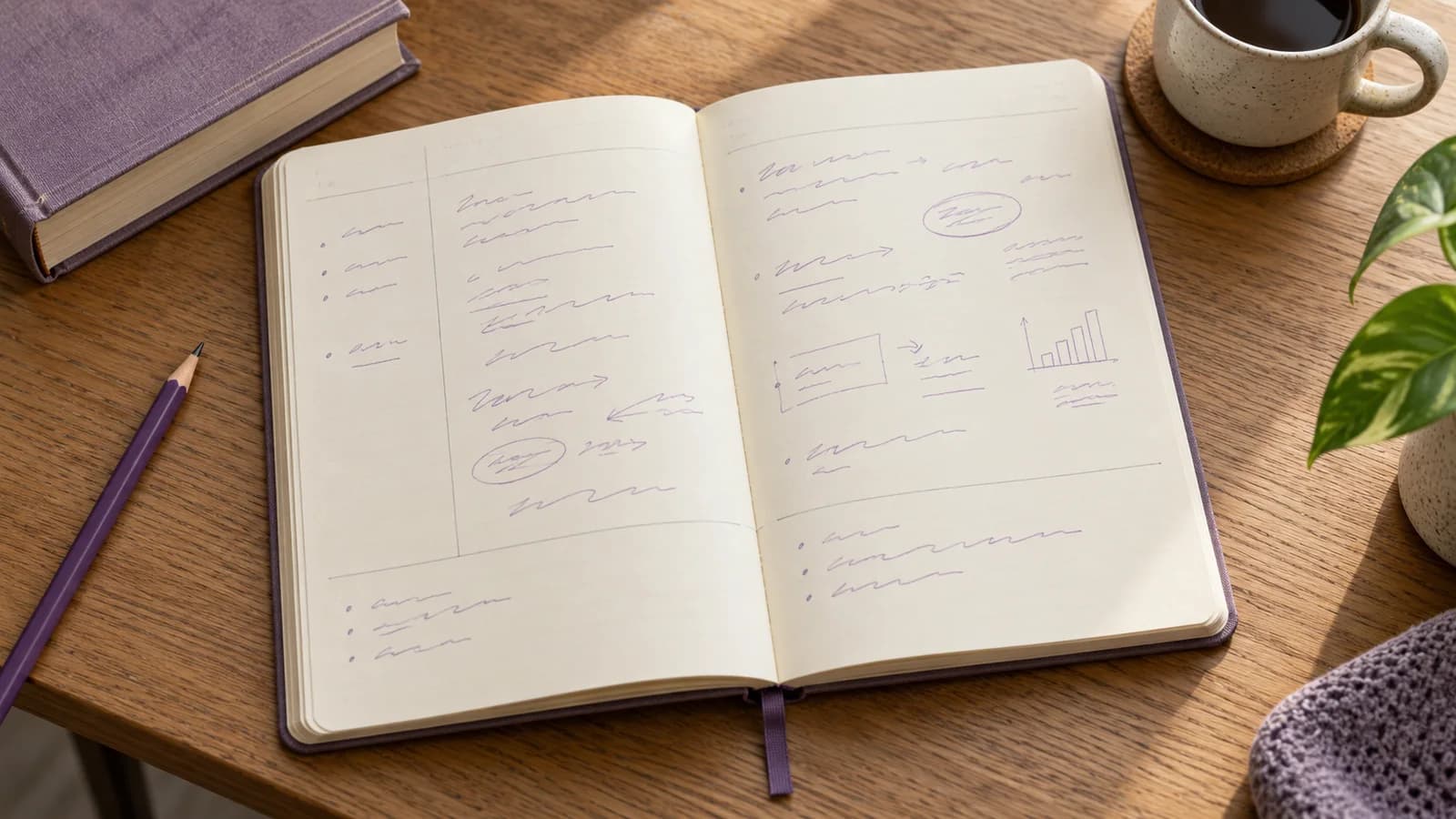
Cornell note-taking methodOctober 19, 20265 min read
how to take Cornell notesCornell notes exampleCornell notes for university
Learn the Cornell note-taking method with a practical page layout, a worked example, cue questions, and a way to turn notes into checked study prompts.
Read article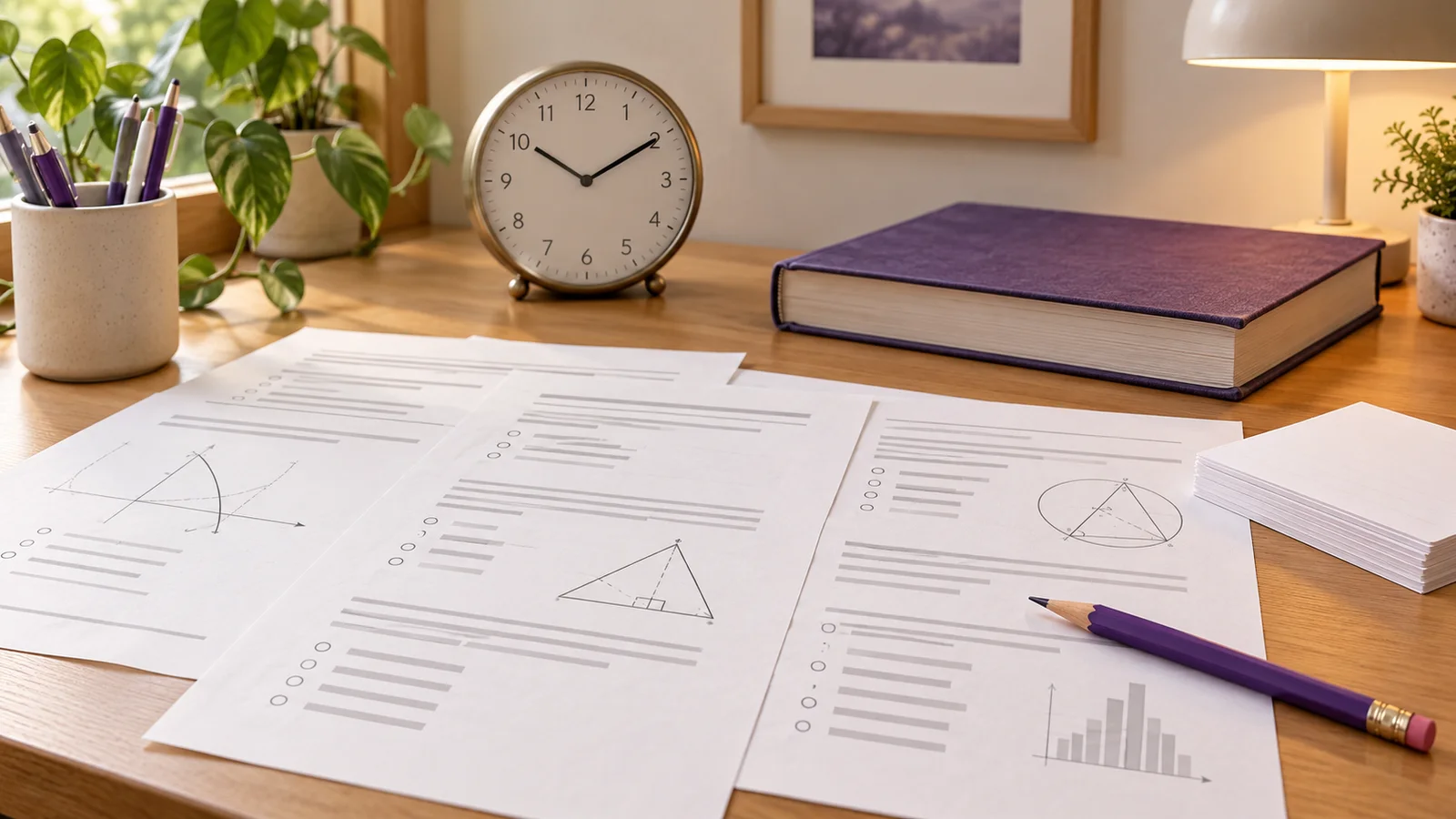
create a practice exam from notesOctober 19, 20265 min read
practice test from notesAI practice exammake a mock exam
Build a course-aligned practice exam from notes: map learning objectives, choose question types, verify the key, attempt it under realistic conditions, and review mistakes.
Read article
blurting methodOctober 16, 20265 min read
blurting study methodactive recall without flashcardsblank page revision
Learn the blurting study method with a timed routine, a worked biology example, a marking checklist, and ways to turn memory gaps into useful flashcards.
Read article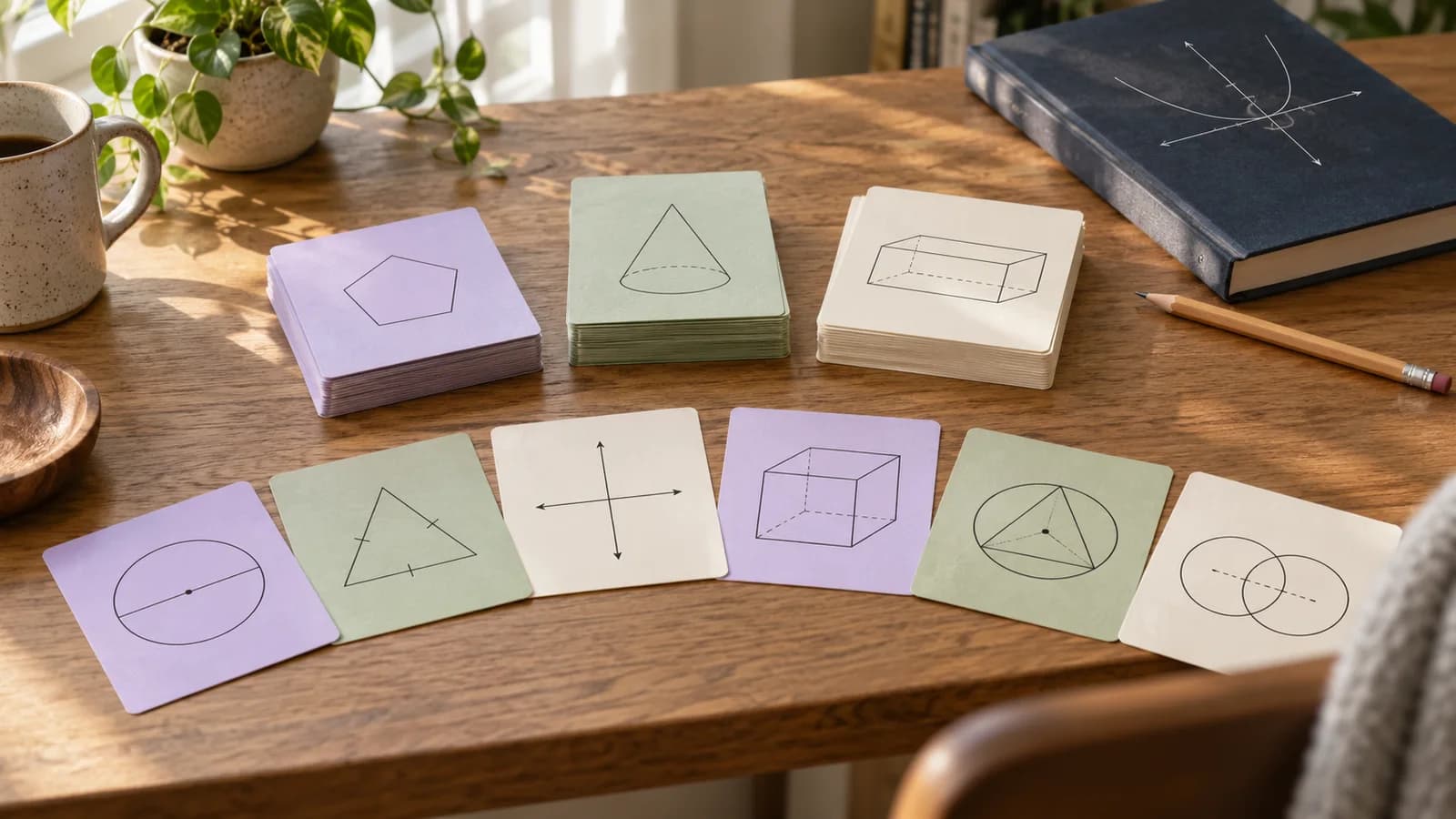
interleaving study methodOctober 16, 20265 min read
interleaving vs blocked practicemixed practice questionsinterleaved learning
Learn interleaving versus blocked practice, when to mix topics, and how to build a mixed question set that trains you to choose the right method.
Read article
how to catch up on lecturesSeptember 6, 202610 min read
behind on lecturescatch up study planhow to catch up in college
Stop trying to recreate every missed hour. Use a two-lane recovery plan that keeps this week moving while you repair the backlog.
Read article
AI exam prepAugust 30, 202611 min read
AI study planhow to use AI to study for exams7 day study plan
Use AI to organize the week and expose weak spots without outsourcing the thinking your exam will require.
Read article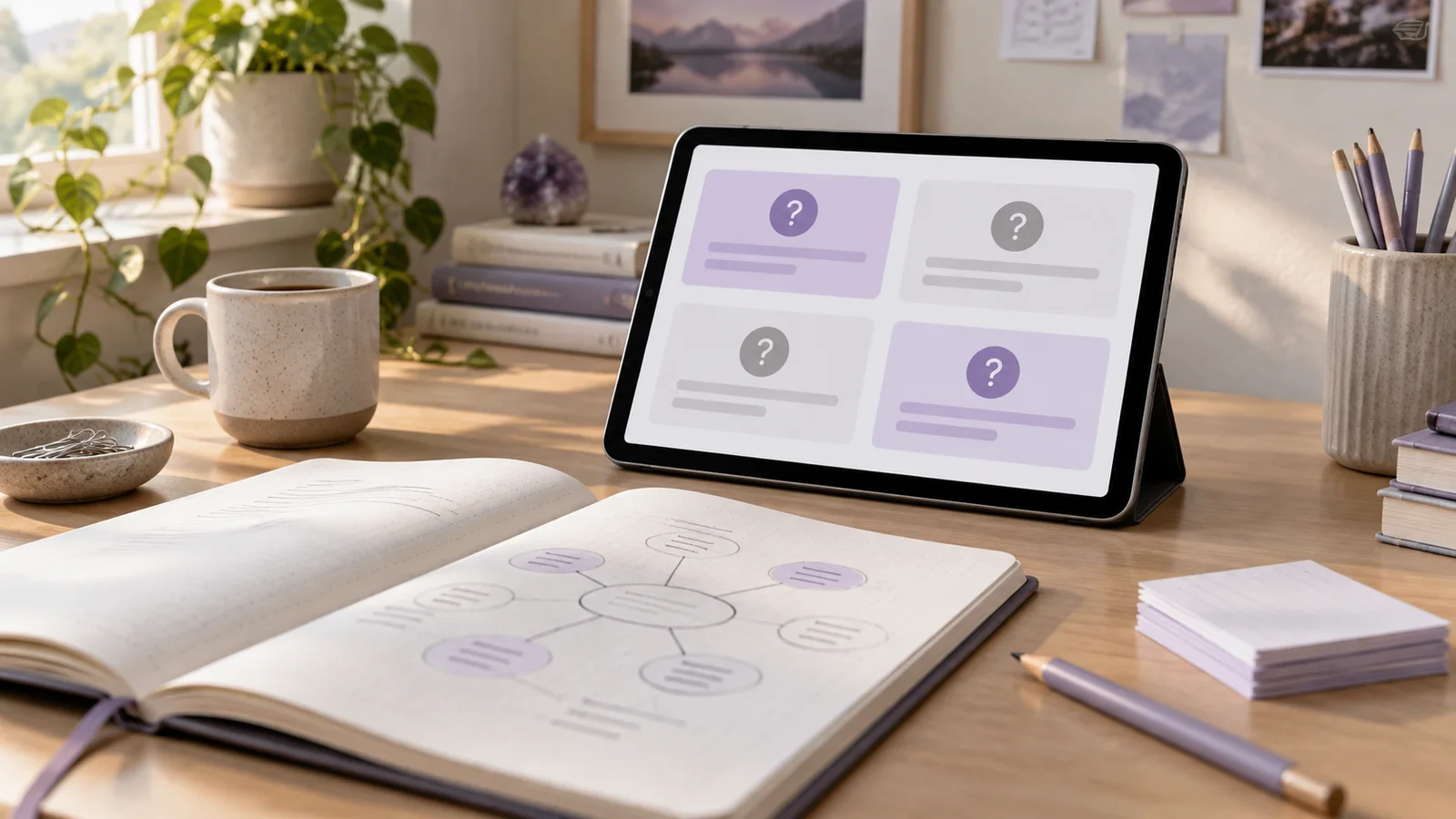
how to study with AIJuly 24, 20268 min read
AI study workflowAI study appAI note taker
AI can make studying faster, but speed is not the same as learning. Use this five-step workflow to turn lectures, PDFs, and notes into useful practice.
Read article
Gemini Notebook alternativeJuly 21, 202611 min read
NotebookLM alternativeAI study appsource grounded AI notes
Gemini Notebook makes source-grounded AI familiar, but students often need a faster study workflow that connects notes, PDFs, audio, flashcards, quizzes, and chat.
Read article
AI study appJuly 13, 202613 min read
AI study workflowAI note takerPDF to flashcards
Student need is moving from simple note-taking toward full AI study workflows. Here is what that means for students choosing tools and for Brainote's positioning.
Read article
AI study apps like NotebookLMJuly 9, 20264 min read
NotebookLM alternatives for studentsAI study app comparisonchat with PDF
Compare NotebookLM-style study tools using one real course source: answer accuracy, flashcard quality, quiz feedback, source handling, and review effort.
Read article
PDF to flashcardsMay 22, 20264 min read
AI flashcard generator from PDFturn PDF into flashcardsflashcard quality
Turn a PDF chapter into clear flashcards: check extraction, choose the scope, edit AI drafts, verify answers, and schedule a realistic review.
Read article
AI audio note takerMay 5, 20269 min read
AI note taking for studentsrecord lecture to notesvoice recorder for lectures
Typing nonstop during a lecture leaves no room to think. An AI audio note taker captures everything and automatically turns it into structured, searchable notes so you can focus on understanding, not transcribing.
Read article
ai lecture note takerApril 27, 20269 min read
lecture note takerai lecture noteslecture notes app for students
The best lecture note workflow does not stop at transcription. It captures the lecture fast, extracts structure, and moves you into questions, flashcards, and next-day review.
Read article
study guide generatorApril 27, 202610 min read
study guide makerai study guide generatorturn notes into study guide
Most study guides fail because they stay static. A useful study guide maps concepts, highlights weak spots, and leads directly into self-testing.
Read article
quiz generator from notesApril 27, 202610 min read
ai quiz generator from notesgenerate quiz from notesnotes to quiz
If your notes never become questions, they often stay inert. Quizzes add friction in the right place: recall, feedback, and repeated review.
Read article
best ai study appFebruary 26, 202611 min read
best study appbest ai for studybest note taking app
Not all AI education tools actually help you learn. Discover which platforms turn your messy class notes into guaranteed exam performance.
Read article
best ai for studyFebruary 19, 20268 min read
spaced repetitionbest spaced repetition appstudy app
You do not need a perfect timetable, only repeatable review blocks before forgetting. Learn how spaced repetition guarantees long-term retention.
Read article
how to active recallFebruary 12, 202610 min read
active recallactive recall methodactive recall app
Rereading feels remarkably productive, but the active recall method exposes knowledge gaps long before you enter the exam hall.
Read article
ai note taker appFebruary 5, 20269 min read
ai note takerbest ai note takerai flashcard maker
Your notes are not the finish line. Convert notes to flashcards to unlock powerful retrieval practice and guarantee high exam retention.
Read article
pdf summarizerJanuary 29, 202610 min read
ai pdf summarizersummarize pdfpdf summarizer free
Use a chapter-first approach with a high-end pdf summarizer to extract definitions and likely exam prompts quickly.
Read article
video summarizerJanuary 22, 20269 min read
youtube video summarizeryoutube summaryai youtube summarizer
Stop rewatching long lectures. Turn one hour of video into focused study assets with a reliable video summarizer built for rigorous college workflows.
Read article